

Understanding Search Intent: How to Align Content for Better SEO
Table of Contents
- Introduction to Search Intent
- Types of Search Intent
- Navigational
- Informational
- Transactional
- Commercial Investigation
- Why Search Intent Matters for SEO
- How to Identify Search Intent
- Analyzing Search Engine Results Pages (SERPs)
- Understanding Keyword Intent
- Matching Content to Search Intent
- Aligning with Navigational Intent
- Crafting Informational Content
- Creating Transactional Content
- Optimizing for Commercial Intent
- Best Practices for Optimizing Content for Search Intent
- Using Analytics to Refine Content Alignment
- Common Mistakes to Avoid in Search Intent Optimization
- Conclusion
- FAQs: Boost Your SEO by Mastering Search Intent
1. Introduction to Search Intent
Search intent, also called "user intent," is the reason behind a user's online search. Understanding search intent is crucial for creating content that not only attracts visitors but also meets their expectations and keeps them engaged. By aligning content with search intent, you increase your chance of higher rankings, click-through rates, and conversions.
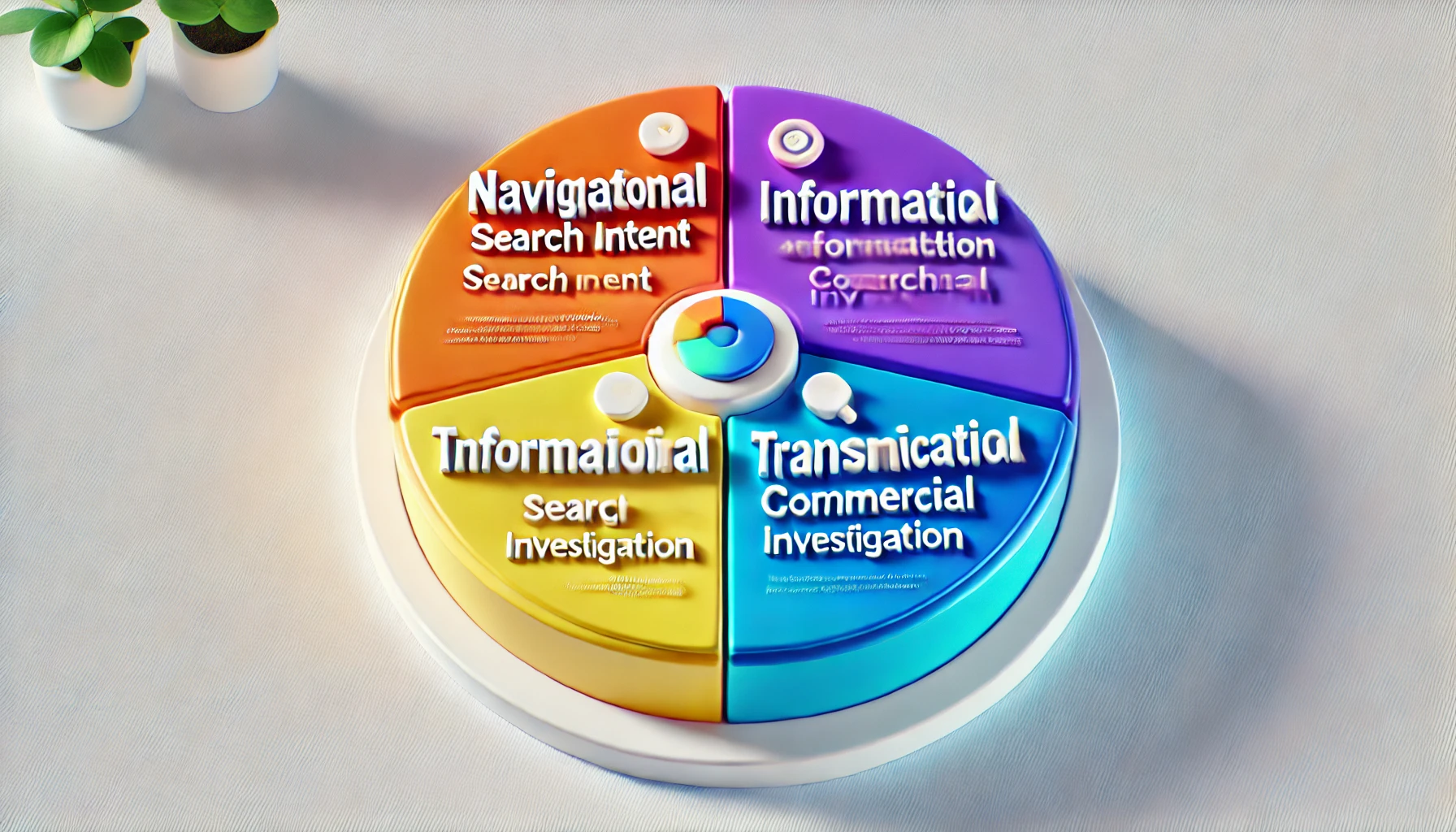
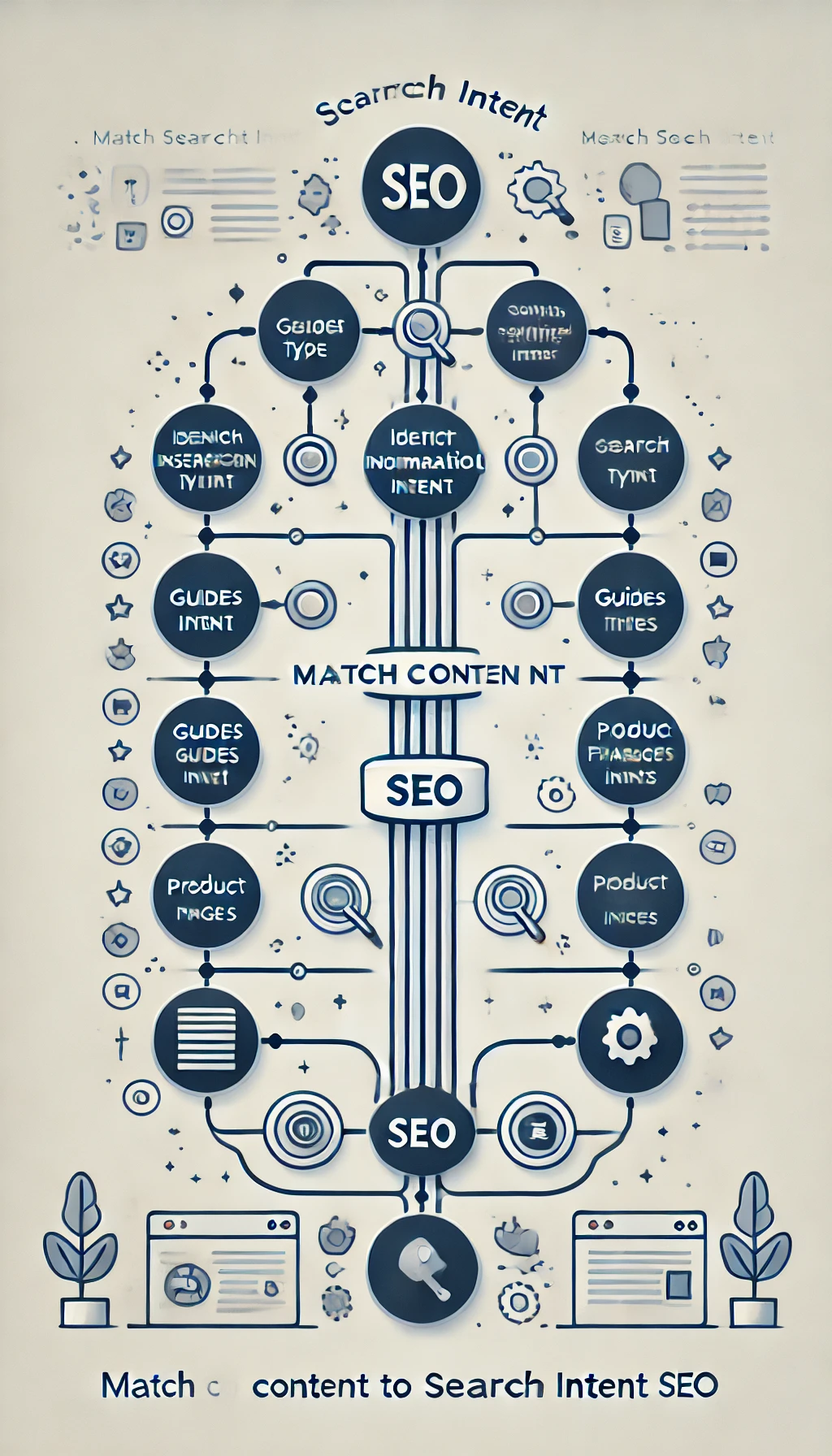
Recognizing the type of search intent is essential to produce content that matches what users are searching for. Here’s a breakdown of the primary types:
Navigational Intent
Users with navigational intent want to find a specific page or website. They might search for a brand name or directly search for a service or product they already know. For instance, a search for "YouTube login" shows the intent to navigate directly to YouTube’s login page.
Informational Intent
Informational searches are aimed at gathering knowledge. People often search with queries starting with "how to," "what is," or "best way to." These searches may not lead directly to conversions, but they play an important role in building brand awareness and authority. For example, "how to bake a cake" or "what is search intent" are informational searches.
Transactional Intent
When users have transactional intent, they're ready to make a purchase. These searches often include phrases like "buy," "discount," or specific product names, indicating a readiness to spend. Examples include "buy iPhone 13" or "best deals on sneakers."
Commercial Investigation
This type of intent is when users research products or services before making a purchase decision. They may not be ready to buy yet but are considering their options. Searches like "best laptops under $1000" or "top-rated running shoes" fall into this category.
3. Why Search Intent Matters for SEO
Matching content to search intent helps improve SEO performance by ensuring your page is relevant to the query. Search engines, especially Google, analyze search intent and use it as a ranking factor. Content that matches the intent not only ranks better but also enjoys higher user satisfaction, reducing bounce rates and increasing engagement.
4. How to Identify Search Intent
Identifying the correct intent for any keyword is key to creating content that resonates with your audience.
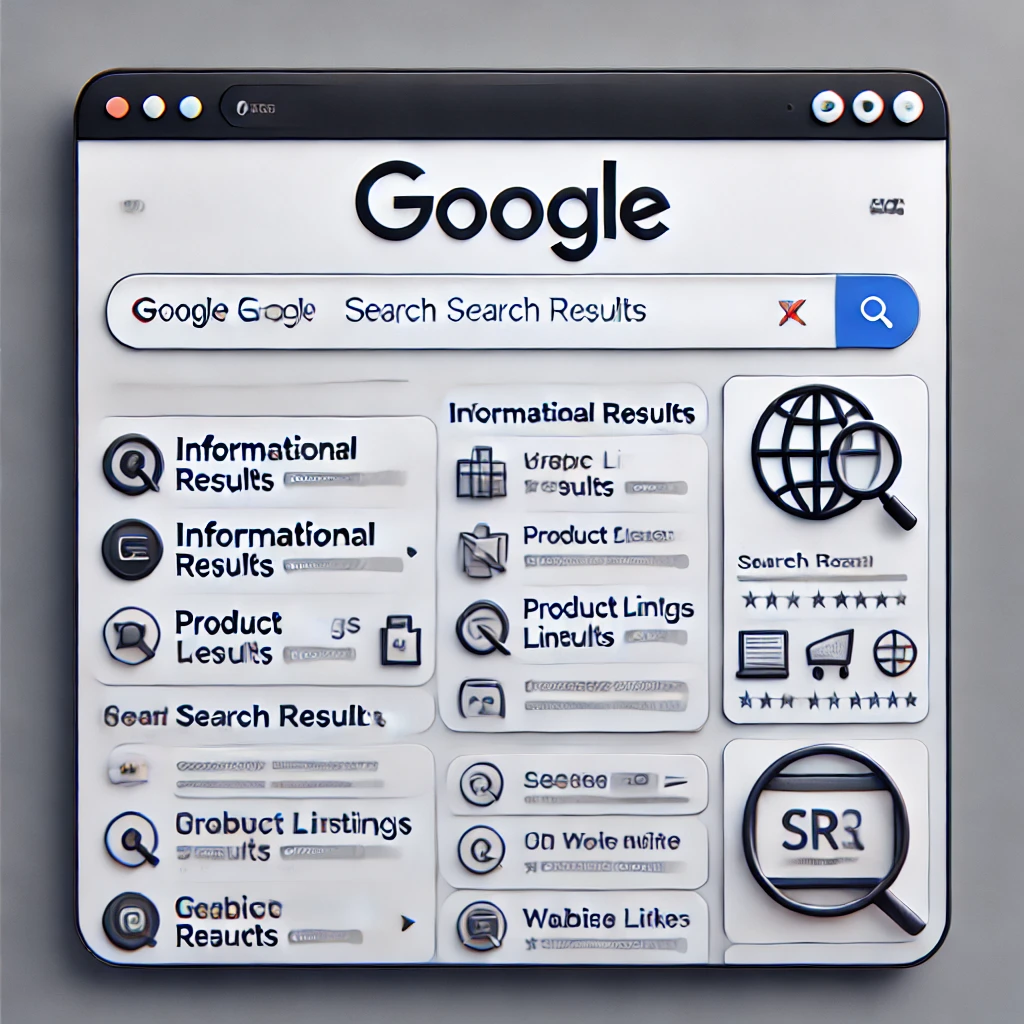
Analyzing Search Engine Results Pages (SERPs)
The SERP layout itself often indicates the dominant search intent. For example:
- A page full of "how-to" guides suggests informational intent.
- SERPs with product listings and prices show transactional intent.
Analyze the top-ranking pages for clues on what type of content is relevant for that query.
Understanding Keyword Intent
Keywords provide valuable hints about the user's intent. Here’s how different keywords signal intent:
- Navigational: brand or website names (e.g., "Facebook login")
- Informational: question-based phrases (e.g., "how to train a dog")
- Transactional: purchase-related words (e.g., "buy laptop online")
- Commercial Investigation: comparative or review keywords (e.g., "best budget laptops 2023")
5. Matching Content to Search Intent
Each type of search intent calls for specific content strategies. Here’s how to align your content with each intent type effectively:
Aligning with Navigational Intent
For navigational intent, ensure your website is easy to find and optimized for brand-related keywords. If users are looking for your brand or specific page, your homepage or service pages should be optimized and easy to locate.
Crafting Informational Content
For informational intent, create content that educates and informs. This could include blog posts, how-to guides, tutorials, or even FAQ sections. Aim to answer the user's question thoroughly. Including multimedia like images or videos can make the content even more engaging.
Creating Transactional Content
Transactional content should focus on driving conversions. This can include product pages, landing pages, and calls to action that guide users toward making a purchase. Use compelling product descriptions, clear pricing, and secure checkout options to enhance the buying experience.
Optimizing for Commercial Intent
Commercial intent requires a balance between providing information and nudging the user toward a purchase. For this intent, create comparison articles, in-depth reviews, and listicles that highlight features, benefits, and drawbacks. This content helps users make informed decisions before buying.
6. Best Practices for Optimizing Content for Search Intent
Here are some effective practices to align your content with search intent:
- Perform Regular Keyword Research: Intent can shift over time, so revisit keywords to ensure alignment.
- Observe Top Competitors: Studying competitors' content can reveal how they meet user intent, providing inspiration for your own content.
- Use Clear Formatting: Make content skimmable with headings, bullet points, and visuals.
- Include Relevant CTAs: Each page should guide users to take an appropriate next step, such as reading more, purchasing, or subscribing.
7. Using Analytics to Refine Content Alignment
Regularly monitor your content performance with tools like Google Analytics. Key metrics to watch include:
- Bounce Rate: A high bounce rate may indicate a mismatch between content and intent.
- Time on Page: Long time on page suggests that your content meets the user's needs.
- Conversion Rates: If transactional content isn’t converting, review whether it effectively matches search intent.
Testing different approaches and using A/B testing can help you refine and improve content alignment over time.
8. Common Mistakes to Avoid in Search Intent Optimization
When optimizing for search intent, avoid these common pitfalls:
- Ignoring Intent in Keyword Research: Focusing solely on volume rather than intent can lead to poor content relevance.
- Keyword Overstuffing: Use keywords naturally; stuffing can lead to penalties.
- Misidentifying User Intent: Creating the wrong type of content can result in low engagement.
- Lack of Updates: Regularly update content to reflect evolving user needs and search trends.
9. Conclusion
Matching content with search intent is a foundational SEO strategy that drives relevant traffic and engagement. By identifying user intent and aligning your content, you can attract and retain visitors effectively. When done right, understanding search intent boosts not only your rankings but also your brand’s authority and conversion rates.
FAQs: Boost Your SEO by Mastering Search Intent
1. What is search intent, and why is it important?
Search intent is the reason behind a search query. It's essential because aligning content with intent can improve SEO, engagement, and conversions.
2. How do I determine the search intent behind a keyword?
Look at the SERP layout, analyze top-ranking content, and evaluate the keywords used in queries to identify intent.
3. Can one page target multiple search intents?
While it’s possible, it’s often more effective to target one primary intent per page to avoid confusing users.
4. What’s the difference between informational and transactional search intent?
Informational intent seeks knowledge, while transactional intent aims to make a purchase or conversion.
5. How can I optimize content for commercial investigation?
Create comparison articles, reviews, and top-10 lists that help users weigh their options before buying.
6. Does Google prioritize content that matches search intent?
Yes, Google uses intent as a ranking factor, favoring content that matches user needs for specific queries.
7. How often should I update my content to align with search intent?
Regularly revisit and refresh content, especially for high-traffic pages, to maintain alignment with evolving search trends.
8. What tools help in understanding search intent?
Google Analytics, SEMrush, and Ahrefs are excellent tools to analyze keyword intent and content performance.
9. Can I change my keyword strategy if my current one isn’t aligning with user intent?
Absolutely. Pivoting your keyword strategy to match user intent is crucial for long-term SEO success.
10. How does search intent affect conversion rates?
Content that matches intent leads to higher engagement and conversions, as it aligns with what users are actively looking for.