

How to Create Compelling Meta Descriptions for Higher CTR
Table of Contents
- Introduction
- What is a Meta Description?
- Why Meta Descriptions Matter for SEO and CTR
- Characteristics of a Great Meta Description
- Step-by-Step Guide to Writing Meta Descriptions
- Common Mistakes to Avoid
- Tools to Optimize Meta Descriptions
- Examples of Effective Meta Descriptions
- Frequently Asked Questions (FAQs)
Introduction
A meta description is a small yet powerful snippet that can make or break a user's decision to click on your link. In this guide, we’ll explore how to craft compelling meta descriptions that boost click-through rates (CTR) and improve your website's search engine optimization (SEO). Let’s dive into actionable tips and examples!
What is a Meta Description?
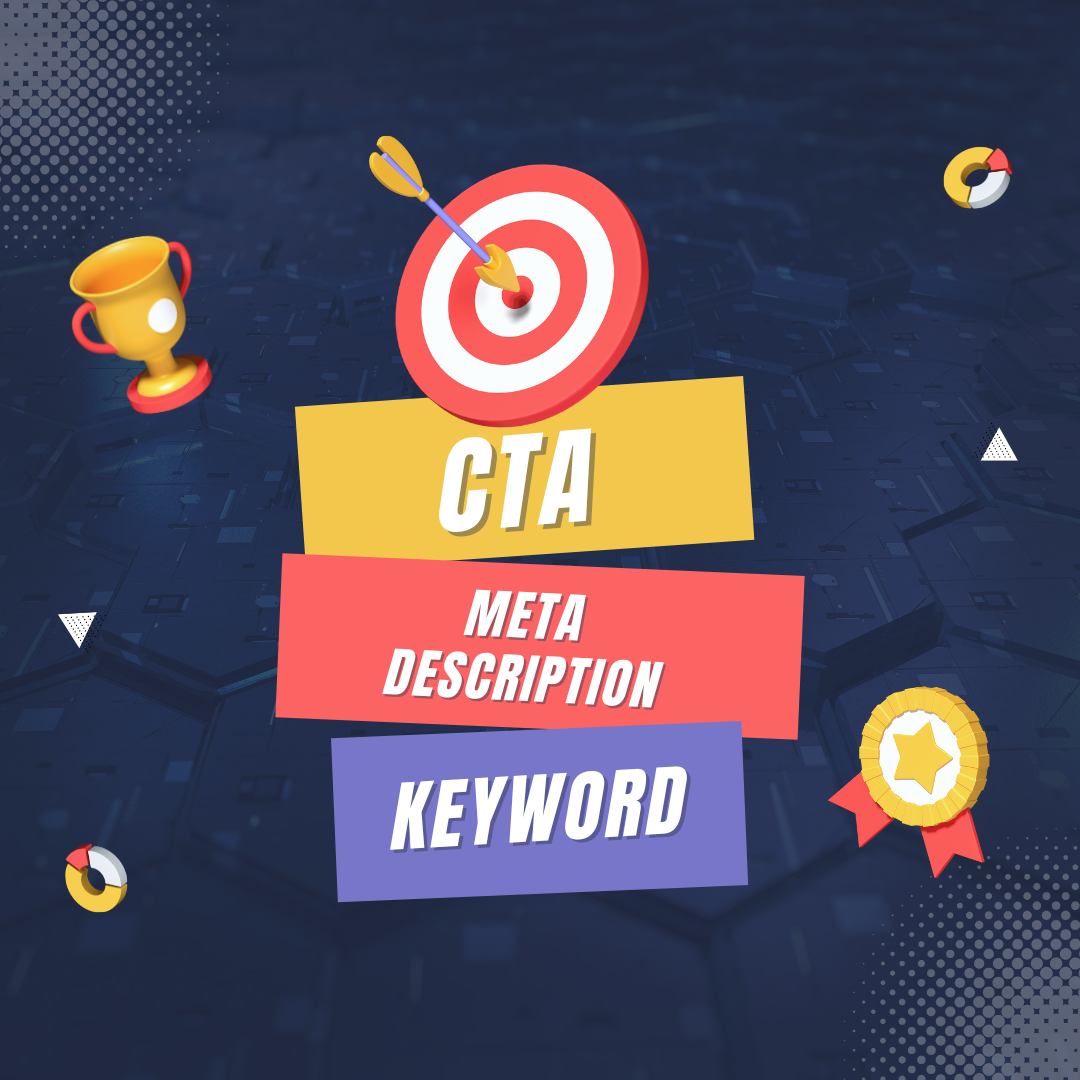
A meta description is a short paragraph that summarizes a webpage's content. Typically 150–160 characters long, it appears under the title tag in search engine results. While meta descriptions don’t directly impact SEO rankings, they significantly influence CTR by enticing users to click.
Why Meta Descriptions Matter for SEO and CTR
Meta descriptions serve as the first impression of your webpage in search results. Here’s why they’re crucial:
- Improved CTR: A well-crafted meta description encourages more clicks.
- Better User Experience: It tells users exactly what they can expect on the page.
- Brand Credibility: A clear description builds trust and professionalism.
- Indirect SEO Impact: Higher CTRs signal to search engines that your page is valuable, improving rankings over time.

Characteristics of a Great Meta Description
Not all meta descriptions are created equal. Here’s what makes one stand out:
- Conciseness: Keep it under 160 characters to avoid truncation.
- Action-Oriented Language: Use verbs like "discover," "learn," or "find out."
- Relevance: Align it closely with the page content.
- Use of Keywords: Include primary keywords naturally to match user intent.
- Clarity: Avoid jargon or confusing terms.
- Unique Selling Point (USP): Highlight what makes your page different.
- Call to Action (CTA): Phrases like "Try for free today!" can boost engagement.
Step-by-Step Guide to Writing Meta Descriptions
Step 1: Understand Your Audience
Start by knowing what your target audience is searching for. Use tools like Google Trends or AnswerThePublic to discover relevant topics.
Step 2: Identify Primary Keywords
Include the main keyword naturally. For instance, if your keyword is “best hiking boots,” your meta description could read:
"Discover the best hiking boots for every terrain. Shop now for comfort and durability at unbeatable prices!"
Step 3: Summarize the Content
Your meta description should give users a glimpse of the page content without being too vague.
Step 4: Add a CTA
Encourage action. For example, "Shop the latest trends," "Sign up for exclusive tips," or "Explore our collection."
Step 5: Test Different Versions
Experiment with variations to see which version drives more clicks.
Common Mistakes to Avoid
- Keyword Stuffing: Overloading descriptions with keywords can make them unreadable.
- Misleading Content: Don’t promise what your page doesn’t deliver.
- Generic Phrasing: Avoid phrases like "Click here" without context.
- Overly Long Descriptions: Keep it concise to prevent truncation.
- Neglecting Mobile Users: Ensure descriptions are optimized for mobile searchers.
Tools to Optimize Meta Descriptions
1. Yoast SEO
Best for WordPress users, Yoast analyzes your meta description length and keyword usage.
2. SEMRush
Offers keyword suggestions and analyzes competitor meta descriptions.
3. Google Search Console
Provides insights into how your meta descriptions perform in terms of CTR.
4. Screaming Frog
Identifies missing or duplicated meta descriptions on your site.
Examples of Effective Meta Descriptions
E-commerce:
"Upgrade your wardrobe with trendy apparel! Enjoy free shipping on orders over $50. Shop now and elevate your style."
Blog Post:
"Learn 10 proven strategies to boost your productivity. Get actionable tips for a more focused and efficient day!"
Service-Based Business:
"Need a reliable plumber? Contact us today for quick, affordable, and professional plumbing services in your area."
FAQ: Get the Answers You Need
1. What’s the ideal length for a meta description?
Keep it between 150-160 characters to avoid truncation on search engine results pages (SERPs).
2. Should I include keywords in my meta description?
Yes, but use them naturally. They help align your description with user intent.
3. Can meta descriptions improve SEO rankings?
Indirectly, yes. Higher CTRs from engaging meta descriptions can signal value to search engines.
4. What happens if I don’t write a meta description?
Search engines will auto-generate one, which might not be as effective or relevant.
5. Can I use the same meta description for multiple pages?
Avoid duplication. Unique descriptions help differentiate each page.
6. How often should I update meta descriptions?
Review them periodically, especially if your content or keywords change.
7. Are emojis acceptable in meta descriptions?
Yes, but use them sparingly to enhance readability and engagement.
8. What’s a good CTA for meta descriptions?
Phrases like "Learn more," "Sign up," or "Shop now" work well.
9. Can I write meta descriptions for blog posts?
Absolutely! They help attract readers and improve visibility in search results.
10. How do I test meta descriptions?
Use tools like Google Ads or A/B testing to measure CTR performance.