



How HTTPS Impacts Your SEO Rankings and Website Success
Table of Contents
- Introduction
- What is HTTPS?
- How HTTPS Affects SEO Rankings
- Transitioning from HTTP to HTTPS
- HTTPS and Mobile Optimization
- Case Studies: HTTPS in Action
- FAQs About HTTPS and SEO Rankings
1. Introduction
The internet is a competitive space, and securing higher SEO rankings is crucial for visibility. One of the most critical factors influencing rankings today is HTTPS (HyperText Transfer Protocol Secure). This article delves into why HTTPS matters for SEO and how it can transform your website’s performance.
2. What is HTTPS?
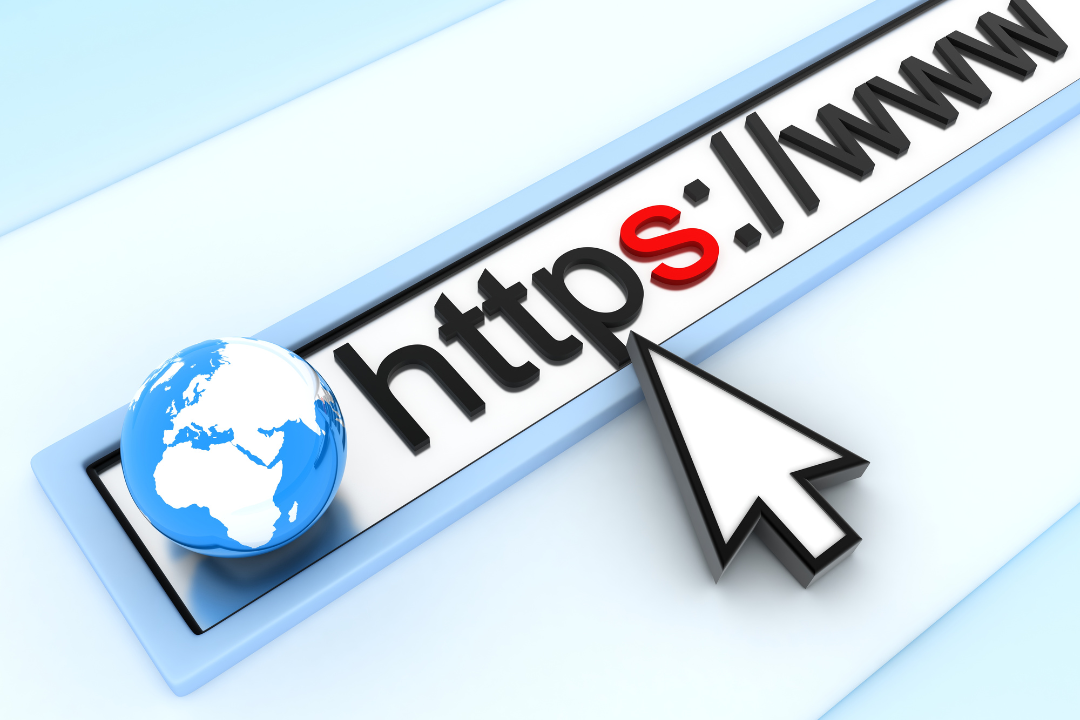
HTTPS stands for HyperText Transfer Protocol Secure, an advanced version of HTTP that ensures encrypted communication between a website and its users. It provides a secure layer of protection, keeping sensitive data safe from hackers.
Key characteristics of HTTPS:
- Data Encryption
- Authentication of the website
- Protection against man-in-the-middle attacks
Websites using HTTPS are marked with a padlock in the URL bar, signaling trustworthiness to visitors.

3. How HTTPS Affects SEO Rankings
Security and Trust
Google prioritizes websites that protect user data. HTTPS ensures encryption, which not only builds trust with users but also prevents breaches. Security is a ranking signal, so switching to HTTPS can directly boost your SEO efforts.
Google’s Algorithm Preference
In 2014, Google announced HTTPS as a ranking factor. This means websites using HTTPS are more likely to rank higher in search engine results. The boost may seem small, but combined with other SEO practices, it can be a game-changer.
User Experience and Bounce Rates
Visitors are more likely to trust and engage with secure websites. If a user sees a “Not Secure” warning, they are more likely to leave the page, increasing bounce rates. HTTPS eliminates these warnings, ensuring a smoother user experience and improved engagement.
4. Transitioning from HTTP to HTTPS
Steps to Implement HTTPS
- Purchase an SSL Certificate: Get an SSL certificate from a trusted provider.
- Install the SSL Certificate: Implement it on your server.
- Update Website URLs: Change all links and resources to HTTPS.
- Set Up 301 Redirects: Redirect HTTP URLs to their HTTPS counterparts.
- Test and Verify: Check for broken links or mixed content errors.
Common Challenges and How to Overcome Them
- Mixed Content Issues: Ensure all site assets (images, scripts, etc.) are loaded over HTTPS.
- Crawl Errors: Update your sitemap and robots.txt to reflect HTTPS URLs.
- Traffic Drops: Implement proper redirects to preserve SEO equity.
5. HTTPS and Mobile Optimization
With mobile-first indexing, Google emphasizes the need for mobile-optimized, secure websites. HTTPS enhances security for mobile users, ensuring a seamless and trustworthy experience. This is especially important for e-commerce and apps that handle sensitive data.
6. Case Studies: HTTPS in Action
Example 1: E-commerce Growth
An online store saw a 30% boost in rankings and a 20% decrease in cart abandonment after moving to HTTPS.
Example 2: Small Blog Success
A personal blog gained more organic traffic and reduced bounce rates by resolving the “Not Secure” warning after implementing HTTPS.
7. FAQs About HTTPS and SEO Rankings
Q1: Is HTTPS mandatory for SEO?
While not mandatory, HTTPS is a confirmed ranking factor, making it essential for competitive SEO strategies.
Q2: Can HTTPS improve user trust?
Absolutely. The padlock icon reassures users that their data is safe, boosting confidence and trust.
Q3: How much does an SSL certificate cost?
SSL certificates range from free (e.g., Let’s Encrypt) to hundreds of dollars annually, depending on the level of validation.
Q4: Will HTTPS slow down my website?
Properly implemented, HTTPS typically has minimal impact on load times. Many hosting providers optimize for HTTPS performance.
Q5: What happens if I don’t switch to HTTPS?
Your website may face lower rankings, higher bounce rates, and reduced trust from users.
Q6: How can I check if my site has mixed content?
Use online tools or browser developer tools to scan for mixed content and resolve issues promptly.
Q7: Does HTTPS affect mobile rankings?
Yes, HTTPS positively impacts mobile rankings, especially under Google’s mobile-first indexing.
Q8: Can HTTPS protect against all cyberattacks?
While it secures data transmission, HTTPS is not a comprehensive security solution. Pair it with other measures like firewalls and regular audits.
Q9: Are all SSL certificates the same?
No, there are three main types: Domain Validation (DV), Organization Validation (OV), and Extended Validation (EV). Choose one based on your needs.
Q10: How long does it take to transition to HTTPS?
Depending on the size and complexity of your site, it can take a few hours to several days.