


Why Local SEO is Crucial for Small Businesses in Toronto
Introduction
Toronto, Canada’s largest city, is home to a bustling small business ecosystem. From boutique shops on Queen Street West to cozy cafes in the Distillery District, competition is fierce. To stand out, small businesses need a powerful online presence—and that’s where local SEO comes in. Local SEO helps small businesses attract nearby customers by optimizing their online visibility for geographically-relevant searches.
If you’re a Toronto-based business owner looking to maximize growth, this guide will walk you through the importance of local SEO and how to implement it effectively.
What is Local SEO?
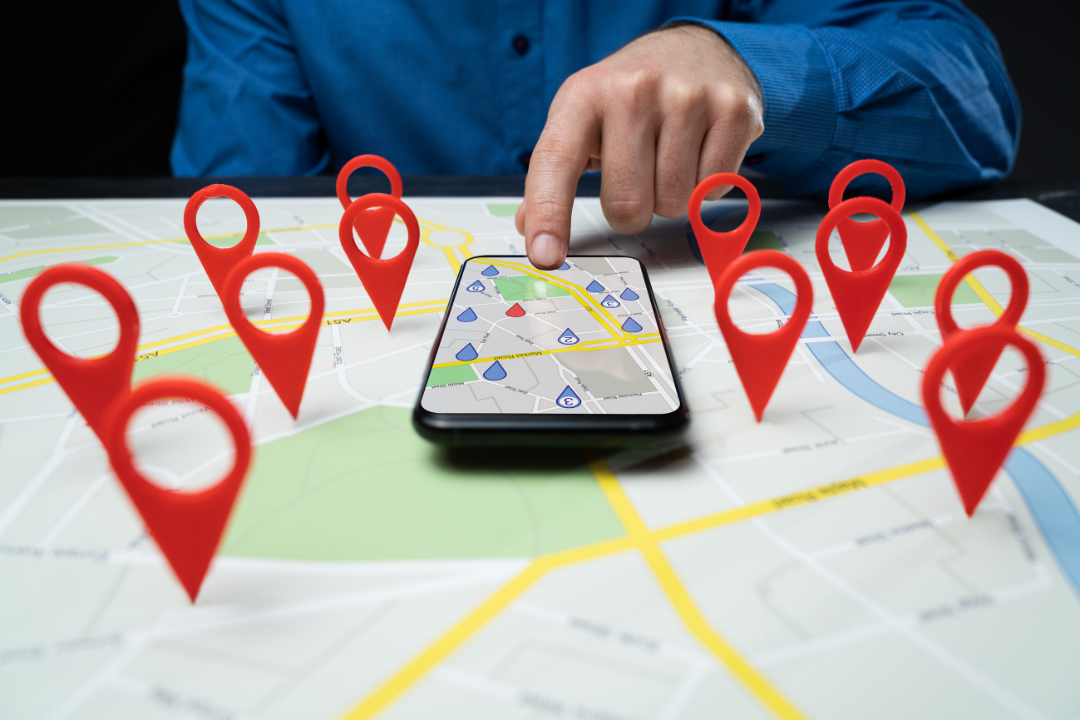
Local SEO (Search Engine Optimization) focuses on improving a business's visibility in local search results on platforms like Google. When someone searches for "best pizza in Toronto" or "nearby fitness studio," search engines use local SEO to display relevant businesses in their vicinity.
Key Elements of Local SEO:
- Google My Business (GMB): Ensuring your GMB profile is optimized with accurate details.
- Localized Keywords: Keywords that include specific neighborhoods or landmarks.
- NAP Consistency: Name, Address, and Phone number consistency across all online platforms.
- Online Reviews: Positive reviews boost trust and improve search rankings.
Why is Local SEO Crucial for Toronto Businesses?
1. Toronto’s Competitive Marketplace
With over 2.9 million residents and millions of visitors each year, Toronto is brimming with potential customers. However, this also means stiff competition. Local SEO ensures your business ranks above competitors in search results, helping you capture attention first.
2. Increasing Mobile Searches
According to recent studies, over 60% of Google searches come from mobile devices. For local businesses, this is even higher—think of how often people search for “coffee shops near me” while walking through Toronto neighborhoods.
3. Higher Conversion Rates
Local SEO focuses on high-intent customers—those actively looking for products or services. If your business appears in local search results, you’re more likely to convert a searcher into a paying customer.
4. Cost-Effective Marketing
Compared to traditional advertising methods, local SEO is affordable and provides long-term benefits. You don’t have to pay for ads once your website ranks organically.
5. Neighborhood-Specific Targeting
Toronto is a city of diverse neighborhoods, from Kensington Market to Yorkville. Local SEO allows businesses to target specific areas and demographics, ensuring their marketing efforts reach the right audience.
Strategies to Implement Local SEO in Toronto
1. Optimize Your Google My Business (GMB) Profile
GMB is a critical tool for local SEO. To make the most of it:
- Fill in all details: Business name, address, phone number, hours, website link, and category.
- Add high-quality images of your business and products.
- Respond to reviews promptly to build trust.
- Use GMB posts to promote events, offers, or new arrivals.
2. Leverage Localized Keywords
Incorporate keywords that are relevant to your business and location. For example:
- “Vegan bakery in Kensington Market”
- “Affordable hair salon near the Eaton Centre”
Use tools like Google Keyword Planner to find popular search terms in Toronto.
3. Encourage Online Reviews
Positive reviews improve your credibility and rankings. Encourage satisfied customers to leave reviews on Google, Yelp, or TripAdvisor.
4. Optimize Your Website for Local Search
- Use location-based meta tags and headers.
- Include a dedicated “Contact Us” page with your full address and a map.
- Create content around Toronto-specific events or topics, such as “Top Things to Do During TIFF.”

5. Build Local Backlinks
Partner with other local businesses or organizations to gain backlinks. For example:
- Collaborate with local bloggers for product reviews.
- Sponsor Toronto events and ask for a mention on their websites.
6. List Your Business in Local Directories
Ensure your business is listed in popular Toronto directories like:
- BlogTO
- Yellow Pages Canada
- 411.ca
7. Use Geotagging for Images
When uploading images to your website or GMB, geotag them with Toronto-based coordinates. This helps search engines associate your business with the local area.
Measuring the Success of Your Local SEO Efforts
Tracking and measuring your local SEO performance ensures you’re on the right path. Key metrics to monitor include:
- Local Search Rankings: Check where your business appears in local search results.
- Website Traffic: Use tools like Google Analytics to track visits from local users.
- GMB Insights: Analyze how many people view and engage with your GMB profile.
- Customer Reviews: Monitor the number and quality of reviews received.

Case Study: Local SEO Success in Toronto
Business: Toronto Brew Cafe
Challenge: Low visibility in Toronto’s crowded cafe scene.
Strategy:
- Optimized their GMB profile with updated hours, photos, and posts about seasonal drinks.
- Targeted keywords like “best coffee near Dundas Square.”
- Partnered with local food bloggers for reviews and backlinks.
Result:
- 45% increase in foot traffic within six months.
- 30% boost in online orders.
Conclusion
Local SEO is an indispensable tool for small businesses in Toronto. By implementing targeted strategies, you can enhance your online visibility, attract nearby customers, and stay competitive in Toronto’s dynamic marketplace. Don’t miss the opportunity to grow—start optimizing your local SEO today!
FAQs
1. What is the cost of local SEO for small businesses in Toronto?
Local SEO costs vary, but small businesses can expect to spend $500–$2000 per month depending on the scope of services.
2. How long does it take to see results from local SEO?
Results typically take 3–6 months, though it may vary depending on competition and strategy.
3. Is Google My Business free?
Yes, creating and managing a GMB profile is free.
4. Can I do local SEO myself?
Yes! With time and effort, you can optimize your GMB profile, target localized keywords, and manage reviews. For advanced tactics, consider hiring an expert.
5. How do reviews impact local SEO?
Positive reviews boost your business's credibility and improve your rankings in local search results.
6. Should I use paid ads alongside local SEO?
Combining paid ads with local SEO can drive immediate results while building long-term organic traffic.
7. Do I need a mobile-friendly website for local SEO?
Absolutely! Mobile-friendliness is critical, as most local searches happen on mobile devices.
8. How can I optimize for voice search in local SEO?
Use conversational keywords and focus on question-based queries like “Where can I buy vegan desserts in Toronto?”
9. What tools can help with local SEO?
Google Analytics, Google Search Console, BrightLocal, and SEMrush are excellent tools for managing local SEO.
10. Can local SEO help my business during the off-season?
Yes, by targeting seasonal keywords and running local promotions, local SEO can drive traffic year-round.