


Do Keywords Still Matter in 2025?
Table of Contents
The Evolution of Keywords in SEO
Once upon a time, SEO was all about keyword stuffing. You could rank a page by repeating a keyword dozens of times—even if the content quality was poor. Thankfully, those days are over.
Timeline of Keyword Evolution
| Year | Milestone | Impact on Keywords |
|---|---|---|
| 2000s | Keyword Stuffing Era | Focus on exact matches, density |
| 2011 | Google Panda | Penalized low-quality, spammy content |
| 2013 | Hummingbird Update | Emphasis on user intent |
| 2019 | BERT Algorithm | Understanding natural language and context |
| 2023 | Multimodal Search & MUM | Search beyond text—images, videos, and semantics |
| 2025 | AI-Powered Search | Focus on meaning, relevance, and engagement |

What Search Engines Really Want in 2025
In 2025, search engines like Google prioritize user experience, content relevance, and contextual intent over mechanical keyword use. AI algorithms can now understand:
-
Synonyms and linguistic variations
-
User behavior and engagement patterns
-
Topic clusters and content depth
-
Voice and visual queries
What Google Looks For Today:
-
Search intent (informational, transactional, navigational)
-
Content quality (originality, value, trustworthiness)
-
Structured data and semantic HTML
-
E-E-A-T principles (Experience, Expertise, Authoritativeness, Trustworthiness)
Do Keywords Still Matter Today?
Yes—keywords still matter in 2025, but how we use them has evolved. They're no longer the sole drivers of SEO rankings but act as guiding signals for search engines to understand what your content is about.
Why Keywords Still Count:
-
Help define core topics
-
Guide content structure and headlines
-
Influence internal linking and content clusters
-
Impact meta tags and URLs
However, simply stuffing them into content won't cut it anymore. The goal is to integrate keywords naturally and contextually.
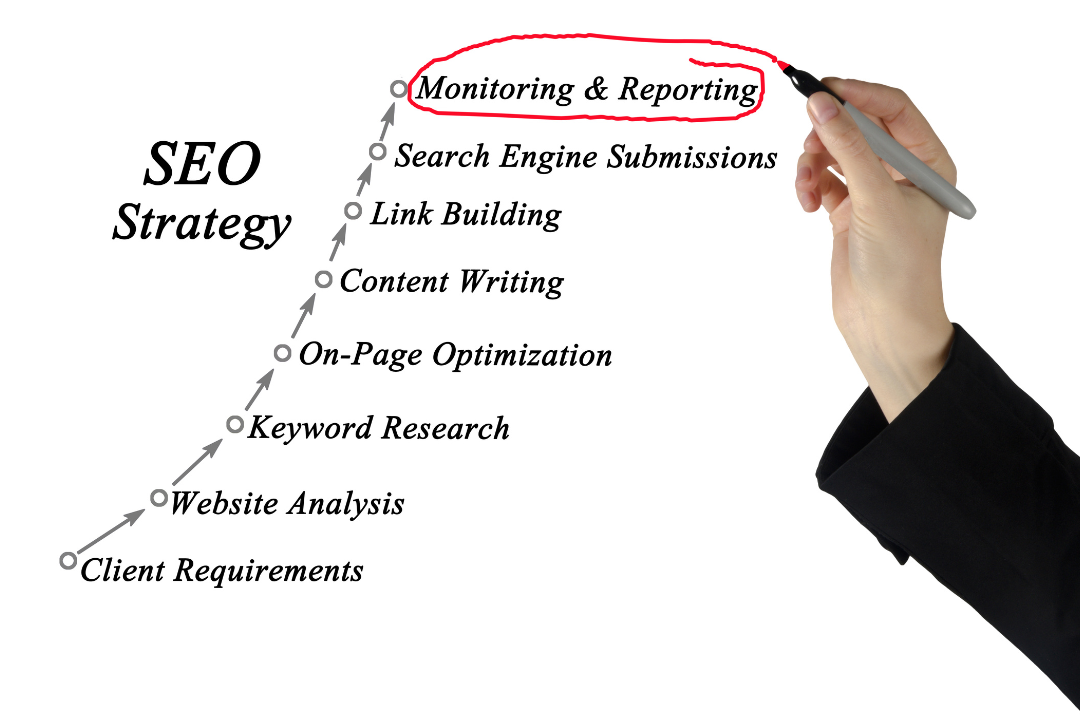
Keyword Usage Best Practices in 2025
Here are modern best practices for using keywords effectively in 2025:
1. Focus on Search Intent
Group keywords based on what the user wants to achieve:
-
Informational: "how to optimize blog content"
-
Navigational: "Ahrefs pricing page"
-
Transactional: "buy DSLR camera online"
2. Use Topic Clusters
Create a pillar page targeting a broad keyword and support it with cluster content targeting long-tail keywords.
3. Optimize Semantic Variants
Include:
-
Synonyms
-
Related phrases
-
Common user questions (from forums, autocomplete)
4. Leverage AI Tools for Keyword Integration
Use AI-powered SEO tools that can:
-
Suggest LSI (Latent Semantic Indexing) keywords
-
Optimize for voice search queries
-
Predict content gaps
5. Don’t Forget Technical Placement
Make sure to include primary keywords in:
-
Page titles
-
Meta descriptions
-
URL slugs
-
H1 and H2 tags
-
Image alt text (where appropriate)

The Rise of Semantic Search and NLP
Natural Language Processing (NLP) and semantic search are revolutionizing how search engines interpret content.
How NLP Changes the Game:
-
Understands context, not just keywords
-
Detects tone and sentiment
-
Matches content to user queries, even if phrased differently
Practical Example:
Old SEO:
Keyword = “best budget laptop 2025”
New SEO:
Content includes: “affordable laptops,” “cheap notebooks,” “value-for-money devices,” and answers like “What’s the best laptop under $600?”
Google now understands these as conceptually related, not just lexically matched.
Keyword Tools Worth Using in 2025
Modern SEO requires smarter tools. Here are the top keyword tools optimized for AI-powered search:
| Tool | Key Features |
|---|---|
| Ahrefs | SERP intent analysis, keyword gap, clustering |
| Surfer SEO | Real-time content optimization, NLP scoring |
| Semrush | Keyword Magic Tool, topical maps, intent filters |
| Frase.io | AI-based outline generation, SERP insights |
| Ubersuggest | Budget-friendly, competitor tracking |
| ChatGPT Plugins | Content ideation, keyword clustering (customizable prompts) |
Content Strategy: More Than Just Keywords
Keywords are one part of a much larger puzzle. In 2025, successful content strategies focus on:
1. User-Centric Content
Create experiences, not just text. Understand your audience's pain points and speak their language.
2. Topical Authority
Cover your niche comprehensively. Build a content web that interlinks related topics.
3. Multi-Format Content
Incorporate:
-
Text
-
Video
-
Podcasts
-
Infographics
4. Consistency & Updates
Refresh outdated content regularly. Trends and SERPs evolve fast—don’t get left behind.
Conclusion
So, do keywords still matter in 2025? Absolutely—but not in isolation. Today’s SEO is powered by intent, context, and quality. Keywords are foundational, but they must be supported by smart strategy, natural language, and user-centric value.
Action Step: Audit your existing content. Are you writing for search engines or for humans? Blend both with natural keyword integration, semantic understanding, and high-quality, valuable content.
FAQ
1. Are exact-match keywords still important?
Not as much. Search engines can recognize variations and synonyms, so focus more on context and user intent than exact matches.
2. How many keywords should I use per post?
Aim for 1 primary keyword and 3-5 related or LSI keywords. Use them naturally rather than trying to "hit a quota."
3. Should I still use keyword tools in 2025?
Yes, but choose tools that integrate AI and NLP features to understand intent and content relevance.
4. Is keyword density still a ranking factor?
No. Keyword density is outdated. Instead, aim for natural inclusion that flows within the content.
5. What is semantic search?
Semantic search focuses on the meaning behind queries, allowing search engines to deliver better results based on context, not just keyword matches.
6. Do voice searches require different keywords?
Yes, voice searches are more conversational. Optimize for natural language, questions, and long-tail queries.
7. How can I check if my content aligns with user intent?
Use tools like Google Search Console, heatmaps, and user behavior analytics to understand how visitors interact with your content.
8. Can AI write keyword-optimized content?
Yes—AI tools can now generate keyword-rich content that aligns with search intent, but human editing is still essential for tone and accuracy.
9. What are topic clusters?
A topic cluster is a content strategy where one central page (pillar) links to related subtopics (clusters), all focusing on variations of the main keyword.
10. Is keyword stuffing still penalized?
Definitely. Overusing keywords is flagged as spam and can lead to lower rankings. Focus on value, not volume.