

Beginner’s Guide to Influencer Marketing in 2025
Table of Contents
What Is Influencer Marketing?
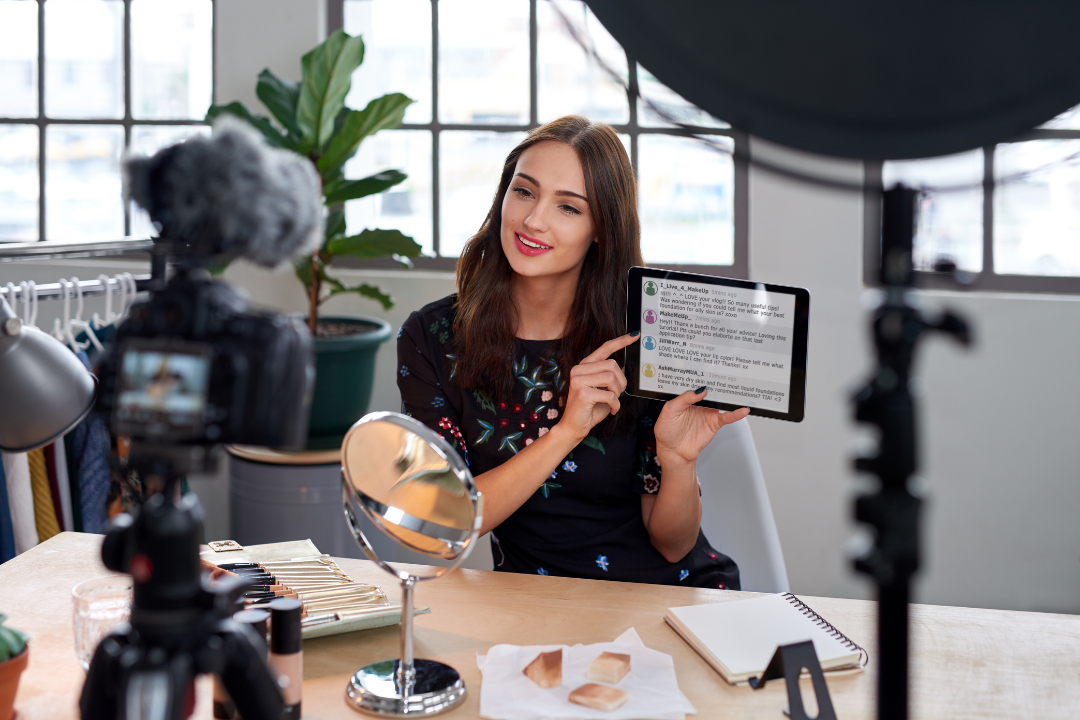
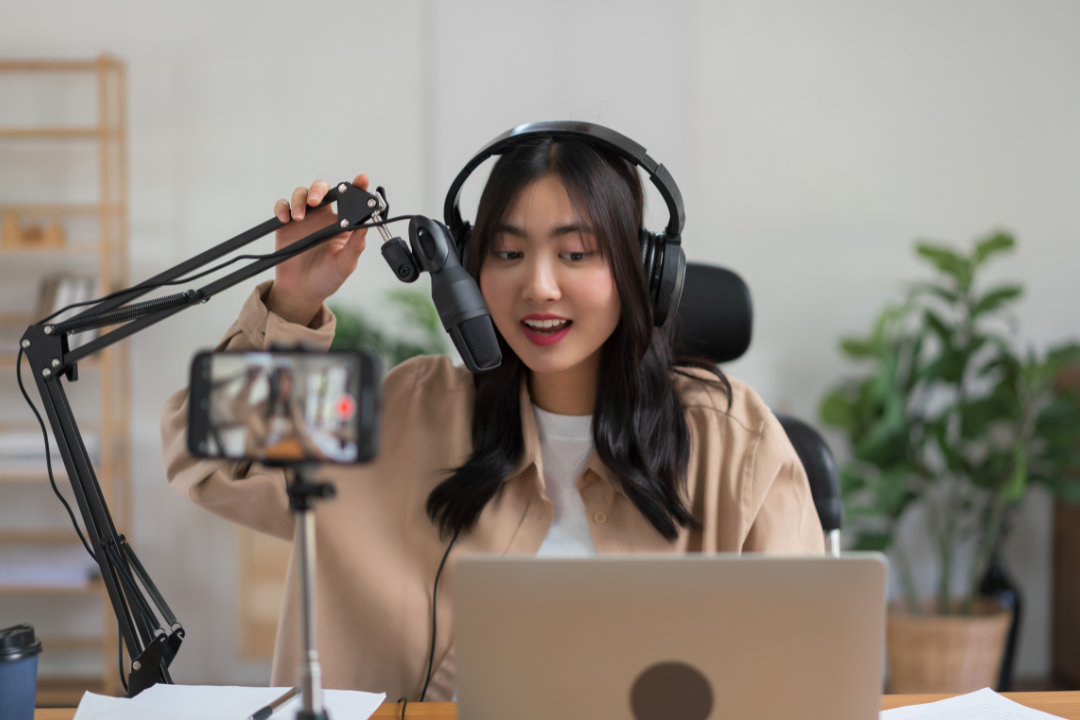
Influencer marketing is a type of social media marketing that involves collaborating with content creators who have built trust with their audience. Instead of brands speaking directly to consumers, influencers serve as the bridge, sharing authentic experiences with products or services.
Key elements of influencer marketing include:
-
Authenticity: Audiences trust influencers because they feel relatable.
-
Reach: Influencers can amplify your message to a wider audience.
-
Engagement: Followers engage more with influencer content than traditional ads.
Why Influencer Marketing Matters in 2025
The influencer industry is estimated to surpass $30 billion by 2025, and it’s not slowing down. Here’s why it matters:
-
Ad Fatigue: Consumers are tired of traditional ads; they trust peer recommendations more.
-
AI-Driven Content: Influencers are leveraging AI tools to create more engaging, personalized content.
-
Niche Communities: Micro and nano influencers dominate because niche audiences convert better.
-
E-commerce Integration: Platforms like TikTok Shop and Instagram Shopping make purchasing seamless.
Types of Influencers
1. Mega Influencers
-
Over 1 million followers.
-
Often celebrities.
-
Best for brand awareness campaigns, but usually expensive.
2. Macro Influencers
-
100,000 to 1 million followers.
-
Professional content creators.
-
Balance between reach and relatability.
3. Micro Influencers
-
10,000 to 100,000 followers.
-
Niche-focused, highly engaged audiences.
-
Cost-effective and great for conversions.
4. Nano Influencers
-
Under 10,000 followers.
-
Highly trusted by small communities.
-
Perfect for local businesses or grassroots campaigns.
Best Platforms for Influencer Marketing in 2025
-
TikTok – Short-form video dominance with shopping integration.
-
Instagram – Still strong with Reels, Stories, and brand collabs.
-
YouTube – Long-form video and tutorials remain powerful.
-
Twitch – Live streaming for gamers and beyond.
-
LinkedIn – Growing for B2B influencer marketing.
-
Threads & X (Twitter) – Micro-content and thought leadership.

Steps to Build an Influencer Marketing Strategy
-
Define Your Goals
-
Brand awareness
-
Lead generation
-
Sales conversions
-
Community building
-
-
Identify Your Target Audience
-
Demographics, interests, and behavior.
-
-
Choose the Right Influencers
-
Use tools like Aspire, Upfluence, or HypeAuditor.
-
-
Set a Budget
-
Consider influencer fees, product gifting, and ad spend.
-
-
Develop Authentic Partnerships
-
Collaborate, don’t dictate. Influencers know their audience best.
-
-
Track and Measure Results
-
Engagement rate, conversions, reach, ROI.
-
How to Measure Success
Metrics you should track:
-
Engagement Rate (likes, shares, comments).
-
Reach & Impressions (how many people saw your content).
-
Click-Through Rate (CTR).
-
Conversions & Sales.
-
Return on Investment (ROI).
Common Mistakes to Avoid
-
Partnering with influencers who don’t align with your brand values.
-
Ignoring micro and nano influencers.
-
Not setting clear goals or KPIs.
-
Over-controlling influencer creativity.
-
Failing to disclose sponsored content (legal issues).
Conclusion
Influencer marketing in 2025 is more than a buzzword—it’s a proven growth strategy for businesses of all sizes. By choosing the right influencers, building authentic partnerships, and tracking results, you can drive meaningful engagement and real ROI.
If you’re ready to grow your brand this year, start small, test, and refine your approach. The sooner you begin, the faster you’ll see results.
FAQ
1. How much does influencer marketing cost in 2025?
It depends on the influencer’s reach. Nano influencers may charge $50–$200 per post, while mega influencers can cost $50,000 or more.
2. What industries benefit most from influencer marketing?
Fashion, beauty, fitness, gaming, food, and tech lead the way—but nearly any industry can benefit.
3. How do I find the right influencer?
Use influencer marketing platforms, search hashtags, or analyze engagement levels manually.
4. Can small businesses use influencer marketing?
Absolutely! Nano and micro influencers are affordable and perfect for small businesses.
5. What’s better—Instagram or TikTok for influencer marketing?
Both are powerful, but TikTok is currently leading in engagement and shopping integration.
6. How do I avoid fake influencers?
Check engagement rates, audience demographics, and use verification tools.
7. Do influencers need to disclose sponsored posts?
Yes, by law influencers must use clear disclosures like #ad or #sponsored.
8. How long should a campaign run?
It depends on your goals. Some campaigns run for a week, while others last months.
9. Can influencer marketing work for B2B businesses?
Yes—LinkedIn influencers and industry experts are valuable for B2B marketing.
10. What’s the biggest trend in 2025 influencer marketing?
AI-powered content creation and niche-focused micro influencers.