

How to Use AI to Supercharge Your Marketing Strategy
Table of Contents
Understanding AI in Marketing
AI in marketing refers to the use of machine learning, data analysis, and automation tools to improve how businesses attract, engage, and retain customers. Unlike traditional marketing methods, AI-powered strategies rely on real-time insights, predictive analytics, and smart algorithms to deliver personalized and effective campaigns.
Benefits of Using AI in Marketing
Implementing AI can transform your marketing strategy by providing several advantages:
-
Enhanced Customer Insights – AI processes vast amounts of data to uncover hidden patterns in consumer behavior.
-
Cost and Time Savings – Automating repetitive tasks allows marketers to focus on creativity and strategy.
-
Improved ROI – AI helps optimize ad spending and content performance.
-
Personalized Experiences – Customers receive tailored recommendations and targeted offers.
-
Scalability – AI makes it easier to run large-scale campaigns without losing quality.

Top AI Applications in Marketing
1. Customer Insights and Predictive Analytics
AI enables marketers to predict customer behavior by analyzing historical data. Predictive analytics can help you:
-
Identify high-value leads.
-
Forecast sales trends.
-
Anticipate customer churn before it happens.
For example, e-commerce platforms use AI to suggest products customers are most likely to purchase, boosting conversions.
2. Personalization at Scale
Personalized marketing is no longer optional. AI allows brands to:
-
Deliver individualized recommendations.
-
Customize website experiences in real-time.
-
Segment customers based on behavior, demographics, or preferences.
Think of how Netflix recommends shows or Amazon suggests products — that’s AI-driven personalization in action.
3. Content Creation and Optimization
AI tools can help you create, curate, and optimize content for better engagement. They can:
-
Generate blog post ideas based on trending topics.
-
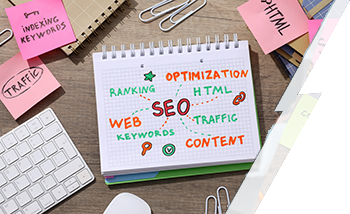
Optimize content for SEO.
-
Provide insights into the best-performing content formats.
For instance, AI-driven platforms like Jasper or Copy.ai assist marketers in writing ad copy, email campaigns, and social media posts.
4. Chatbots and Conversational AI
AI-powered chatbots are transforming customer service by providing instant support. Key benefits include:
-
24/7 availability.
-
Handling multiple queries simultaneously.
-
Collecting data for further personalization.
Brands like Sephora and H&M use AI chatbots to guide customers through product selections, boosting engagement and sales.
5. AI-Powered Advertising
AI optimizes ad targeting, bidding, and performance tracking. With AI, marketers can:
-
Identify the best audience segments.
-
Adjust bidding strategies in real-time.
-
Maximize ROI on platforms like Google Ads and Facebook Ads.
6. Email Marketing Automation
Email remains one of the most effective marketing channels. AI enhances it by:
-
Personalizing subject lines and content.
-
Predicting the best times to send emails.
-
Segmenting audiences for higher open rates.
AI tools like Mailchimp’s predictive segmentation help businesses engage subscribers more effectively.
Steps to Implement AI in Your Marketing Strategy
-
Define Your Goals – Identify what you want AI to achieve (e.g., more leads, improved ROI, better engagement).
-
Audit Existing Data – Ensure you have enough clean, structured data for AI to analyze.
-
Choose the Right Tools – Select AI-powered platforms that align with your needs.
-
Start Small – Begin with one area, such as email automation or chatbots, before scaling.
-
Monitor and Optimize – Continuously analyze performance to improve results.
Best AI Tools for Marketers
Here are some powerful AI tools you can integrate into your strategy:
-
Jasper AI – Content creation and copywriting.
-
HubSpot – Marketing automation and CRM.
-
Hootsuite Insights – Social media analytics.
-
Surfer SEO – Content optimization.
-
Drift – Conversational marketing chatbots.
-
Google Analytics AI – Predictive insights and data tracking.
Future of AI in Marketing
The future of AI in marketing looks promising. We can expect:
-
Voice Search Optimization – As smart speakers rise, optimizing for voice queries will be crucial.
-
Hyper-Personalization – AI will deliver even more individualized experiences.
-
Predictive Customer Journeys – Brands will anticipate customer needs before they arise.
-
AR and VR Integration – AI will enhance immersive marketing campaigns.
Conclusion
AI is no longer a luxury for marketers — it’s a necessity. By leveraging AI-driven tools and strategies, businesses can supercharge their marketing efforts, save time, and drive higher ROI. Whether you’re just starting or scaling an enterprise-level campaign, AI provides endless opportunities to connect with your audience in smarter, more personalized ways.
👉 Start small, test, and let AI guide you toward smarter marketing decisions.
FAQs
1. How can small businesses use AI in marketing?
Small businesses can use AI tools for email automation, social media insights, and customer service chatbots without breaking the bank.
2. Is AI marketing expensive?
Not necessarily. Many AI-powered tools offer affordable subscription plans, making them accessible to businesses of all sizes.
3. Can AI replace human marketers?
AI enhances human creativity but doesn’t replace it. Marketers still provide strategy, empathy, and emotional intelligence.
4. Which industries benefit most from AI marketing?
E-commerce, healthcare, finance, and real estate see significant benefits, but AI can be applied to almost any industry.
5. How does AI improve customer engagement?
AI delivers personalized recommendations, real-time responses, and tailored experiences that keep customers engaged.
6. Do I need technical expertise to use AI tools?
No. Most AI marketing platforms are user-friendly and designed for non-technical users.
7. What is predictive analytics in AI marketing?
Predictive analytics uses historical data to forecast future customer behavior, helping businesses make smarter decisions.
8. How can AI improve ad performance?
AI optimizes targeting, bidding, and placement to ensure ads reach the right audience at the right time.
9. What’s the future of AI in marketing?
Expect more advanced personalization, better customer journey mapping, and increased use of immersive technologies.
10. Can AI help with SEO?
Yes, AI tools can analyze keywords, optimize content, and track performance to boost search engine rankings.