

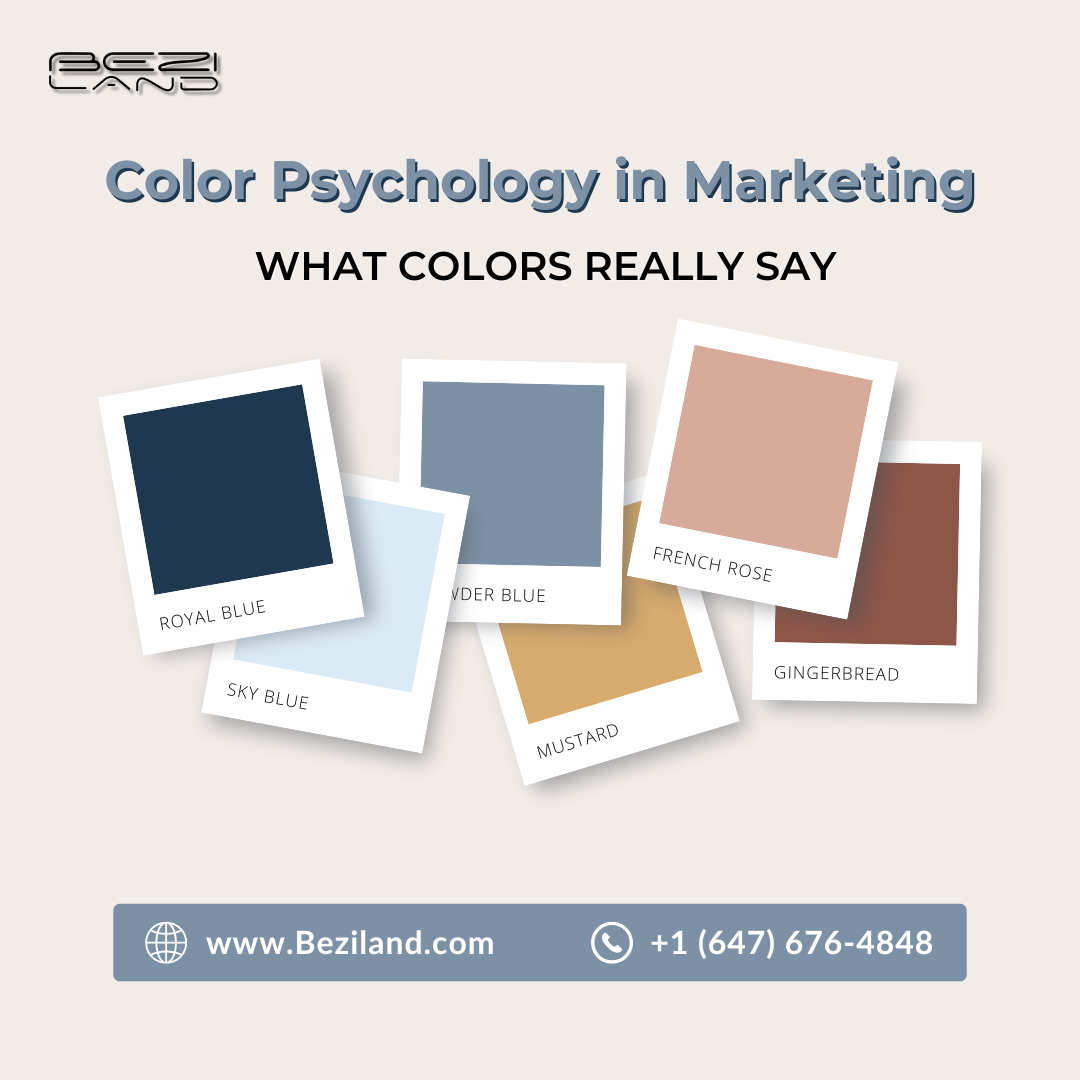
Color Psychology in Marketing: What Colors Really Say
Table of Contents
The Science of Color Psychology
Color psychology studies how hues influence human thoughts, emotions, and actions. Research shows that:
-
85% of shoppers say color is a primary reason for purchasing a product.
-
90% of snap judgments about products can be based on color alone.
In marketing, color acts as a silent salesman. It sets the mood, creates associations, and enhances brand recognition.

How Colors Influence Consumer Behavior
Colors can:
-
Trigger emotions: Red excites, blue calms, green reassures.
-
Affect decision-making: Certain colors encourage quick purchases.
-
Enhance memory: Brands with consistent colors improve recognition by up to 80%.
For marketers, this means that selecting the right palette can make the difference between a scroll-past and a click-through.
What Each Color Really Says
Red: Energy and Urgency
-
Symbolizes passion, power, and excitement.
-
Commonly used for sales promotions and call-to-action buttons.
-
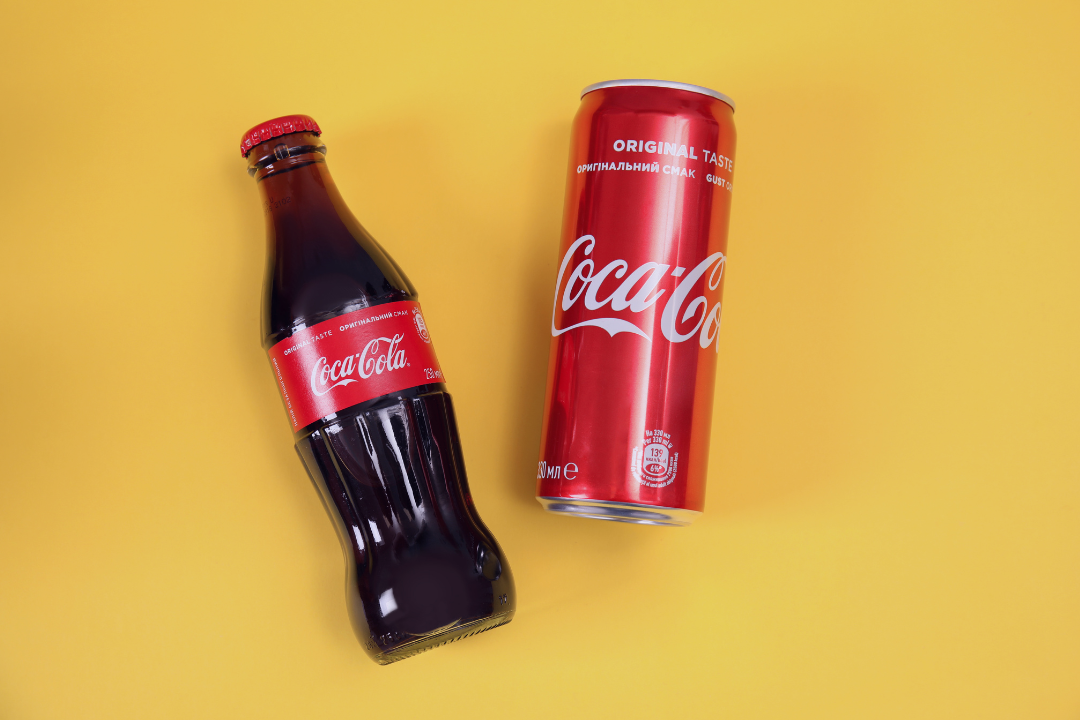
Brands: Coca-Cola, Netflix, YouTube.
Blue: Trust and Calmness
-
Evokes feelings of security, loyalty, and professionalism.
-
Popular among banks, tech firms, and healthcare brands.
-
Brands: Facebook, PayPal, IBM.
Green:Health and Growth
-
Associated with nature, renewal, and wealth.
-
Used by eco-friendly brands and organic food companies.
-
Brands: Whole Foods, Starbucks.
Yellow: Optimism and Warmth
-
Represents happiness, clarity, and positivity.
-
Works well in youth-focused and cheerful campaigns.
-
Brands: McDonald’s, Snapchat.
Orange: Confidence and Enthusiasm
-
Combines the energy of red and joy of yellow.
-
Great for calls-to-action, sign-ups, and limited offers.
-
Brands: Fanta, Nickelodeon.
Purple: Luxury and Creativity
-
Historically linked to royalty and wealth.
-
Ideal for premium products and creative industries.
-
Brands: Hallmark, Cadbury.
Black: Sophistication and Power
-
Symbolizes elegance, mystery, and authority.
-
Widely used in luxury fashion and high-end brands.
-
Brands: Chanel, Nike.
White: Simplicity and Purity
-
Evokes cleanliness, minimalism, and transparency.
-
Common in tech products and healthcare branding.
-
Brands: Apple, Adidas.
Pink: Compassion and Femininity
-
Associated with love, nurturing, and softness.
-
Effective in beauty, wellness, and lifestyle brands.
-
Brands: Barbie, Victoria’s Secret.
Cultural Differences in Color Meanings
Color meanings vary across cultures:
-
Red: Luck in China, danger in Western countries.
-
White: Purity in the West, mourning in some Eastern cultures.
-
Yellow: Joy in the West, sacred in parts of India.
Understanding these cultural nuances is crucial for global marketing campaigns.
How Brands Successfully Use Color Psychology
Famous examples:
-
McDonald’s: Red + Yellow = urgency and happiness → faster decisions.
-
Apple: White + Silver = simplicity, modernity, and sophistication.
-
Starbucks: Green = community, growth, and environmental responsibility.
These brands prove that color isn’t just decoration—it’s strategy.
Tips for Choosing the Right Colors in Marketing
-
Know your audience: Research demographics and cultural backgrounds.
-
Align with brand values: Pick colors that reflect your identity.
-
Test variations: Use A/B testing for buttons, ads, and website designs.
-
Consider contrast: Ensure readability and accessibility.
-
Stay consistent: Build trust through consistent brand palettes.
Conclusion
Color psychology is one of the most powerful tools in marketing. Every shade carries meaning, influencing how consumers feel, think, and act. By choosing the right colors, brands can spark emotions, build trust, and boost conversions.
So, whether you’re designing a logo, building a website, or creating a campaign, remember: your colors are speaking—make sure they say the right thing.
FAQ
1. Why is color psychology important in marketing?
Because colors influence emotions, behaviors, and purchase decisions. The right palette can increase engagement and conversions.
2. Which color is best for call-to-action buttons?
Red and orange work well for urgency, while green signals “go” and encourages action.
3. How do colors affect brand recognition?
Consistent use of colors boosts recognition by up to 80%, making your brand more memorable.
4. Can cultural differences change color meanings?
Yes. For example, white symbolizes purity in the West but mourning in some Asian countries.
5. What color is best for luxury branding?
Black and purple are most often associated with sophistication and exclusivity.
6. How can I test which colors work for my brand?
Run A/B tests on ads, landing pages, and email campaigns to track engagement.
7. Do men and women respond differently to colors?
Studies show men prefer bold colors like blue and black, while women lean toward softer shades like purple and pink.
8. What’s the most trusted color in marketing?
Blue is widely seen as trustworthy, which is why many financial and healthcare brands use it.
9. Should startups use bright colors?
Yes, if they want to appear approachable, energetic, and youthful. But balance is key.
10. Can too many colors hurt branding?
Yes. Overusing colors can create confusion. Stick to 2–3 core brand colors for consistency.