


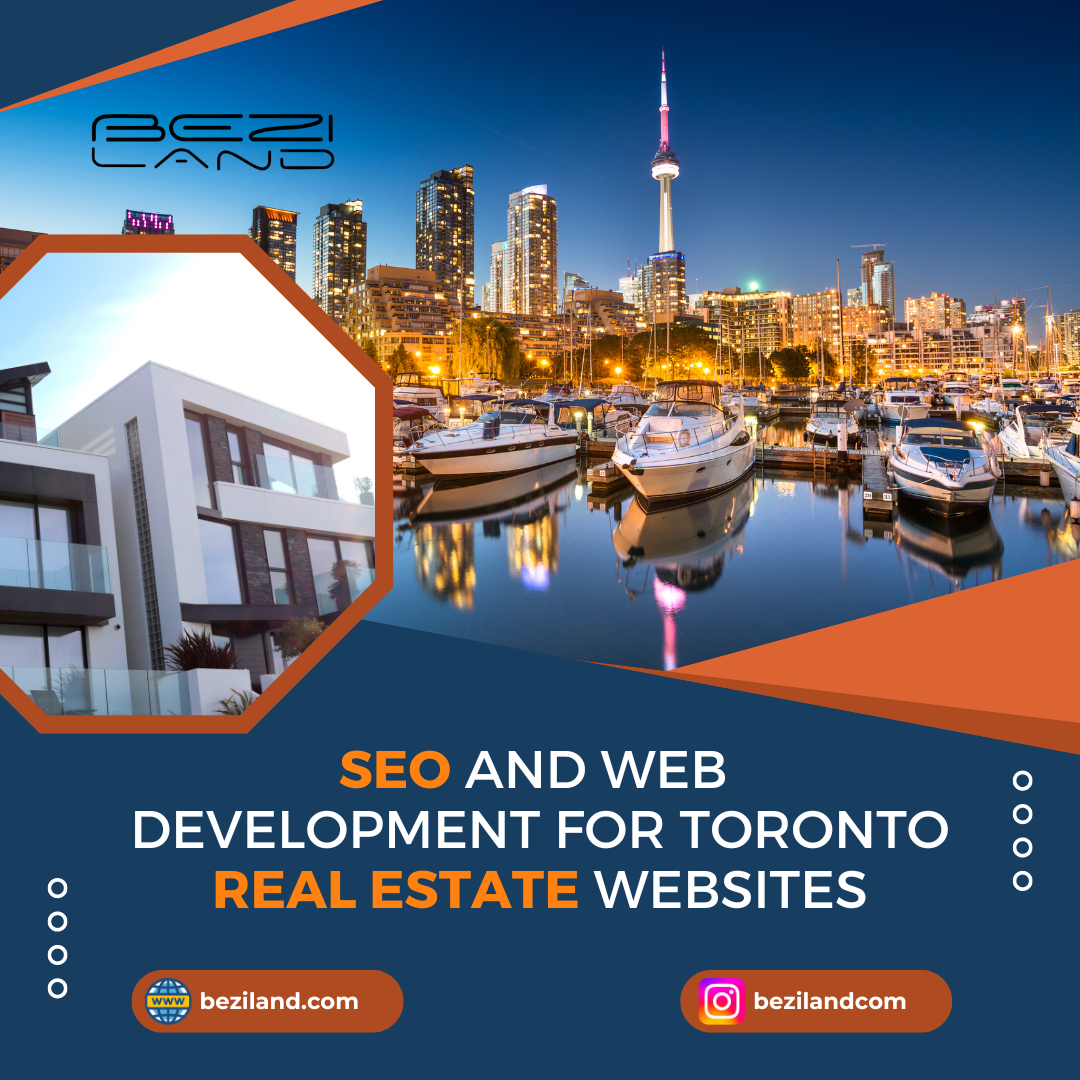
SEO and Web Development for Toronto Real Estate Websites: A Comprehensive Guide
The real estate market in Toronto is one of the most competitive and dynamic in the world. With the rise of digital marketing, real estate websites have become crucial for buyers, sellers, and agents alike. However, having a beautifully designed website is only the beginning. To stand out in the crowded market, real estate businesses need to invest in both SEO (Search Engine Optimization) and web development. Combining these two strategies is the key to improving online visibility, driving organic traffic, and ultimately, increasing sales.
In this article, we will explore the relationship between SEO and web development, particularly as it applies to real estate websites in Toronto. Whether you're a real estate agent, broker, or developer, this guide will help you understand the importance of building a website that is both SEO-friendly and user-friendly.
Why SEO and Web Development Matter for Toronto Real Estate Websites
Toronto's real estate market is not only highly competitive but also diverse, with buyers and sellers from different backgrounds and needs. In such a bustling marketplace, having a website that ranks well on Google can make the difference between closing a sale and losing a potential client. But why exactly do SEO and web development play such a crucial role in real estate?
-
Improved Visibility: An SEO-optimized website ranks higher on search engines, making it easier for potential clients to find you. In the competitive Toronto real estate market, ranking on the first page of Google can result in more qualified leads.
-
Better User Experience: Good web development ensures your site is easy to navigate and provides a seamless experience for users. This is particularly important for real estate websites, where users often look for specific information such as property listings, agent details, and market trends.
-
Increased Credibility: A well-designed website that follows SEO best practices is seen as more trustworthy. For real estate businesses, this translates into higher credibility, especially when clients are making significant financial decisions like purchasing or renting a home.
Key SEO Strategies for Toronto Real Estate Websites
Now that we understand why SEO is vital for real estate websites, let’s dive into some of the best SEO strategies that can help you rank higher on Google, especially in a highly competitive market like Toronto.
1. Local SEO: Targeting the Toronto Market
Local SEO is one of the most powerful tools for real estate websites. This is because most real estate searches are location-specific, with users typing queries like “Toronto real estate listings” or “homes for sale in North York.” By optimizing your website for local searches, you can capture these potential leads.
-
Google My Business: Claim your Google My Business listing. Make sure your address, phone number, and business hours are up to date. This will help you appear in local searches and on Google Maps.
-
Location-Specific Keywords: Use keywords that target Toronto and its surrounding neighborhoods. Examples include “real estate in downtown Toronto,” “homes for sale in Etobicoke,” or “Toronto condo listings.”
-
Local Backlinks: Partner with local Toronto businesses, blogs, and influencers to get quality backlinks. This will boost your domain authority and improve local rankings.
2. Content Marketing for Real Estate SEO
Content is king, especially in real estate. A well-executed content marketing strategy not only helps you rank better on Google but also positions you as a trusted authority in the Toronto real estate market.
-
Blogging: Create informative and engaging blog posts about Toronto's real estate market, neighborhood guides, and home-buying tips. Answer common questions like “Is it a good time to buy in Toronto?” or “Best schools in Toronto neighborhoods.”
-
Property Listings Optimization: Ensure your property listings are SEO-friendly. Use descriptive titles, meta descriptions, and keywords like “luxury condo in Toronto” or “family homes in North York.”
-
Video Content: Real estate is visual, and video content performs exceptionally well. Create virtual tours, neighborhood videos, or market analysis videos and optimize them with the right keywords.
3. On-Page SEO Best Practices
Optimizing your individual web pages is crucial for ranking high on search engines. Here are some on-page SEO techniques you should implement:
-
Title Tags & Meta Descriptions: Make sure your title tags and meta descriptions are unique, concise, and include your target keywords. For example, a title tag for a page on Toronto condos could be “Best Condo Listings in Toronto | Beziland Real Estate.”
-
Internal Linking: Create an internal linking structure that connects your most important pages. This helps with SEO by distributing page authority across your website.
-
Schema Markup: Use real estate-specific schema markup to help search engines understand your listings better. This can enhance your chances of appearing in rich snippets, which can lead to more clicks and traffic.
4. Mobile Optimization
With a growing number of homebuyers browsing real estate websites on their mobile devices, mobile optimization is non-negotiable. According to Google, mobile-friendly websites not only offer a better user experience but also rank better in search results.
-
Responsive Design: Ensure your website uses responsive design, which adjusts the layout based on the device being used. This improves user experience and helps with SEO.
-
Fast Loading Times: Optimize images and code to ensure your site loads quickly on mobile devices. Real estate websites are often image-heavy, so it's important to balance quality with speed.
Web Development Tips for Real Estate Websites in Toronto
Beyond SEO, web development plays an equally important role in ensuring your real estate website performs well. Let’s explore some web development practices that can enhance both user experience and SEO.
1. Clean and Intuitive Design
A cluttered website can turn off potential clients. A clean, intuitive design helps users find what they’re looking for quickly, whether it’s property listings, agent contacts, or market information.
-
User-Friendly Navigation: Organize your website’s menu in a logical way. For example, group similar pages under broad categories like "Buy," "Sell," or "Neighborhoods."
-
Minimalist Approach: Use a minimalist design that avoids overwhelming visitors with too much information at once. Stick to your brand colors and fonts for consistency.
2. Integration with MLS and IDX
For a real estate website, integrating MLS (Multiple Listing Service) and IDX (Internet Data Exchange) is crucial. This allows your website to automatically display updated property listings from Toronto's real estate database.
-
Search Functionality: Make sure users can search for properties using filters like price range, location, and property type.
-
Map Integration: Incorporate map functionality to give users a visual representation of where each property is located in Toronto.
3. Security Features
With real estate websites collecting sensitive information, security should be a top priority. Google also gives preference to secure websites, so making sure your website is safe benefits both SEO and user trust.
-
SSL Certificate: Ensure your website has an SSL certificate, which secures data transfers and boosts your ranking on Google.
-
Secure Forms: Any forms on your website that collect user data, such as inquiry forms or newsletter sign-ups, should be encrypted.
4. Speed Optimization
Fast loading times are critical, not only for SEO but also for keeping potential clients engaged. Real estate websites often feature high-quality images, which can slow down the site if not optimized properly.
-
Image Compression: Use tools to compress images without losing quality. This ensures that your property listings and blog images load quickly.
-
Caching: Implement browser caching to help users load previously visited pages faster.
Conclusion: The Perfect Combination of SEO and Web Development for Real Estate Success
In Toronto’s bustling real estate market, simply having a website isn’t enough. Combining SEO and web development ensures that your website not only looks great but also performs well in search engine rankings, provides a seamless user experience, and ultimately drives more leads and sales.
As a real estate business in Toronto, your website is often the first point of contact for potential clients. By investing in both SEO and web development, you're not just building a website—you're building a powerful tool for growth. With the right strategies in place, your real estate website can become a magnet for buyers and sellers alike.
Remember, SEO is a long-term game, but with consistent effort, the rewards can be immense. Whether you're optimizing for local searches, creating engaging content, or developing a mobile-friendly, fast-loading website, each element plays a crucial role in your online success.